레퍼런싱 가이드, Harvard referencing guide

· 2 min read

본문 인용(In-text citation)

  • 한 명 저자
    • (Kim 2021)
  • 두 명 저자
    • (Kim & Lee 2020)
  • 3명 이상
    • (Kim et al. 2018)
  • 직접 인용(페이지)
    • (Smith 2009, p. 7)
  • 없음/기관/미상
    • (Australian Bureau of Statistics 2009), (Brown n.d.)

참고문헌(Reference List) 기본 규칙

저자 성, 이니셜. (연도). 제목(이탤릭), 판(필요시). 출판사, 출판지.

  • 제목/저널명은 이탤릭
  • Reference List는 알파벳 순
  • 본문과 Reference List가 정확히 일치해야 함
  • 모든 항목은 마침표로 끝남
  • 저자 4명 이상: 본문엔 첫 저자 et al., Reference List엔 모두 작성

자료유형별 참고문헌 예시

자료유형예시
단행본(Book)Smith, J. 2022, Introduction to AI, Tech Press, Sydney.
학술지 논문(Journal Article)Kim, S. & Lee, J. 2020, ‘Deep learning for image recognition’, Journal of AI Research, vol. 15, no. 3, pp. 123-39.
책 챕터(Book Chapter)Brown, L. 2018, ‘Data analysis techniques’, in S. Miller (ed.), Handbook of statistics, Data Publishing, Melbourne, pp. 45-67.
웹사이트(Website)UTS 2024, UTS Harvard referencing guide, viewed 31 July 2025, <https://www.lib.uts.edu.au/help/referencing/harvard-uts-referencing-guide>
보고서/정부 보고서(Report)Australian Bureau of Statistics 2019, Labour force, Australia: May 2019 (Catalogue No. 6202.0), ABS, Canberra.
컨퍼런스 논문(Conference Paper)Jakubowicz, A. 2002, ‘Race vilification and communal leadership’, Beyond Tolerance: National Conference on Racism, Human Rights and Equal Opportunities Commission, Sydney, viewed 2 Sep 2009, <http://www.humanrights.gov.au/...>
유튜브/영상(YouTube/Video)UTS Library 2009, It’s the UTS Library with Mr Hank, videorecording, YouTube, viewed 21 Sep 2009, <http://www.youtube.com/watch?v=QYP_hZmcRgg>

틀리기 쉬운 주요 규칙

  • 저자 4명 이상: 본문엔 첫 저자 et al., Reference List엔 모두 작성
  • 출판연도 없음: n.d. 사용 (예: Brown n.d.)
  • 직접 인용 페이지: (Kim 2018, p. 22), (Kim 2018, pp. 22–24)
  • 기관/단체 저자: (Australian Bureau of Statistics 2019)
  • 웹사이트: ‘viewed 날짜’와 URL 필수
  • 자료유형별 포맷 엄수

Citation Style Language

연구비/프로젝트 제안서, Executive Summary & Project Proposal

· 3 min read

프로젝트 제안서·연구비 지원서·그랜트(Grant) 작성에서 Executive Summary는 가장 중요함

Executive Summary 개념

  • 전체 제안서의 “영화 예고편” 역할
  • 2-4단락, 200-400단어 이내
  • 의사결정자·후원자·심사자에게 “왜 이 제안을 지원해야 하는가”를 짧고 강렬하게 설득
  • 정보 + 영감(설득) 이 모두 포함되어야 함 (무엇을/왜/어떻게/우리만의 강점/무엇을 요청하는가)

Executive Summary 필수 요소

  1. Who you are
    • 조직/팀의 정체성, 미션, 전문성
  2. What you do
    • 핵심 사업·프로젝트(이번 제안의 골자)
  3. Problem
    • 해결하려는 핵심 이슈, 사회적/과학적 필요성
  4. How
    • 어떻게 해결할 것인가? (방법, 서비스, 전략)
  5. What makes you unique
    • 차별성, 기존과의 차이, 실적·수치·임팩트
  6. Request/Need
    • 필요한 자원, 예산, 협력 등
  7. Call to Action
    • 심사자/후원자에게 “지원/협업”을 유도하는 마무리

작성예시

1단락

2~3문장으로 자연스럽게 포함

  • 미션/정체성(Who),
  • 핵심 내용/프로그램(What),
  • 요청사항(Request)
  • 차별성(Why us?)

2단락

  • 제안/프로젝트가 어떤 문제, 대상, 지역에 초점을 두는지
  • 성장·성과·임팩트 등 구체 데이터
  • 현재 지원이 왜 필요한지, 구체적으로 설명

3단락

  • 특별함, 실적, 추천사·통계·객관적 데이터
  • 심사자·후원자를 행동하게 하는 콜투액션(Call to action)
    • (“지금 함께 해달라”, “이 지원이 필요하다” 등)

작성 팁

  • 너무 추상적이거나 정보만 나열하지 않기
  • 임팩트 있는 수치·결과·추천사 적극 활용
  • 심사자(후원자)의 관점에서 “왜 지금, 왜 우리”를 답할 것
  • 본문(프로포절) 전체 내용과 일치, 연결되어야 함
  • 최종 작성 후 동료/멘토에게 피드백 꼭 받기

평가기준

항목배점세부 평가 기준
Cover Page and Table of Contents2지정된 모든 정보(양식, 목차 등)를 정확히 포함하고 있음
Executive Summary6제안서를 바탕으로, 간결하면서도 완전한 요약과 합리적인 권고(제안)가 제시되어 있음
Introduction5연구 문제, 연구의 맥락, 목표, 작성자 관점이 명확히 진술됨.
연구의 중요성과 관련성이 명확히 전달됨.
보고서의 주요 결과가 간단히 언급됨. 보고서의 전체 구성에 대한 간략한 안내가 제공됨.
Research Aims and Objectives5이해하기 쉽고 실현 가능한 연구 목표와 목적이 제시됨.
연구 문제의 명확성과 연구 프로젝트로서의 실행 가능성이 잘 드러남.
Background6해당 주제에 대한 기존 지식을 논리적이고 비판적으로 종합함.
배경 설명이 연구 문제와 직접적으로 연관되어 있음.
Research Significance and Innovation6연구의 중요성이 명확히 진술됨. 연구 결과로 이득을 얻는 대상이 구체적으로 제시됨.
연구의 혁신성/새로움이 분명히 기술됨.
배경(문헌고찰)과 연계해 왜 이 문제가 연구되어야 하는지 설득력 있게 논증함.
Research Methods6선택한 연구 방법이 명확히 설명되고, 적절한 참고 문헌(근거)로 뒷받침됨.
선택한 연구 방법과 연구 문제 및 목표 간의 연결이 명확히 드러남.
Conclusion5프로젝트 제안서 전체의 논리적 요약을 제공함.
연구 문제의 중요성과, 제안된 연구 접근법의 효과성을 설득력 있게 결론지음.
Reference List4Harvard 스타일에 맞춘 완벽한 참고문헌 리스트가 작성됨.

초록 작성, Writing Abstracts

· 3 min read
  • 초록(Abstract)은 논문·리포트·학위논문에서 가장 먼저 읽히는 핵심 요약문
  • 많은 독자가 초록만 보고 본문을 읽을지 결정하기 때문에, 짧지만 완성도 높고 정보 밀도가 높은 글을 써야함

초록 역할

  • 독립적(stand-alone) 텍스트로, 100300단어(학술지/컨퍼런스는 120150단어 내외)
  • 논문 전체의 스냅샷
  • 초록만 읽고도 "무엇을/왜/어떻게/무엇을 발견/왜 중요한지"를 알 수 있어야 함

초록의 핵심 포함 요소(순서 & 질문)

  1. Background: 배경 정보, 연구가 다루는 일반적 문제(현재 시제)
  2. Purpose: 연구 목적, 주요 질문(과거/현재완료 시제)
  3. Methodology: 연구 방법, 데이터(과거 시제)
  4. Results: 핵심 결과(과거 시제)
  5. Conclusion/Significance: 결론 또는 시사점, 추천사항(현재 시제 또는 추론/조심스러운 조동사)

핵심 질문

  • What did you do? (무엇을 했나?)
  • Why did you do it? (왜 했나?)
  • How did you do it? (어떻게 했나?)
  • What did you find? (무엇을 발견했나?)
  • Why does it matter? (왜 중요한가?)

초록의 언어적 특징 & 문장 구성

  • 정보 밀도 높게, 간결하고 구체적으로
  • 읽기 쉬운 구성 (시작-중간-끝이 자연스럽게 이어짐)
  • 자기완결성: 약어/고유어 정의, 인용·참조 없이 이해 가능
  • 키워드 풍부하게 포함
  • 객관적/사실 중심 서술, 평가는 최소
  • 동사 중심, 명사·형용사·부사 축소
  • 중요한 정보부터 문장 맨 앞에
  • 문법/시제 규칙
    • 배경: 현재시제
    • 목적/주요활동: 과거 or 현재완료
    • 방법/결과: 과거
    • 결론/의의: 현재시제, 추론/조동사(should, may 등)

간결한 초록 작성 팁

  • 모든 숫자는 문장 첫머리가 아니면 숫자(1, 2, 3...)로 표기
  • 가능한 한 능동태(active voice) 사용, 1인칭은 지양
  • 동사로 핵심을 전달, 명사구·수식어 축소
  • "at this point in time" → "now" / "on a yearly basis" → "yearly" 등으로 짧게
  • 의미 없는 수식어·중복 표현 삭제
  • 불필요한 평가/일반화 문장 피하기
  • 외부 인용문/참조(특히 서지)는 거의 사용하지 않음
  • 관례/규정은 소속 분야 또는 학회/저널 예시 참고

예시: 초록의 전형적 구조와 시제

요소(순서)시제예시
Background현재시제Type A behavior is...
Purpose과거/현재완료In this study we evaluated...
Method과거시제Children performed a 5-trial task.
Results과거시제Results showed...
Conclusion현재/조동사The results suggest that...

체크리스트

  • Background, Purpose, Method, Results, Conclusion/Significance 모두 포함?
  • 불필요한 단어나 중복 수식어가 없는가?
  • 키워드는 충분히 들어있는가?
  • 초록만 읽어도 논문의 흐름(시작-중간-끝)이 자연스러운가?
  • 독립적으로 이해될 수 있는가? (외부 인용, 약어 미정의 등 문제 없음?)
  • 평가/감정적 표현 없이, 사실 중심으로 요약되어 있는가?
  • 학회/저널의 초록 분량, 작성 규칙을 따랐는가?

초록 예시(틀)

  • 배경: 주제, 문제 설명
  • 목적: 연구 목적, 질문
  • 방법: 데이터, 실험, 조사법 등
  • 결과: 주요 결과
  • 의의: 결론, 실무적/학문적 영향, 한계/미래 연구

결론

  • 내 분야의 여러 논문 초록을 직접 읽고, 정보 배치/언어/길이를 파악할 것
  • 초록은 마지막에 급하게 쓰지 말고, 본문보다 더 신경 써서 여러 번 다듬을 것
  • 반드시 연구의 "새로움, 의의, 차별성"을 한두 문장으로 명확히 드러낼 것

연구 주제 구체화, Narrowing Research Topic

· 2 min read
  • 연구 주제를 너무 넓게 잡으면 관련 자료도 방대해지고, 분석·논의도 모호해짐
  • 명확하고 구체적인 연구 주제/질문을 만드는 것이 효과적

구체화 전략

주제를 구체화하면 연구 질문도 자연스럽게 따라옴

  • Aspect: 연구 문제를 바라보는 하나의 '측면'이나 '관점'만 선택
    • 예시: 전체 현상 중 한 가지 특성, 한 가지 변수 등
  • Components: 주제를 더 작은 구성 요소로 분해
    • 예시: 대상을 세부 단위별로 나누어 분석
  • Place: 분석 지역을 좁힐수록 주제도 구체화됨
    • 예시: 남태평양 지역 → 호주
  • Relationship: 변수 간 관계나 관점(원인/결과, 비교/대조 등) 초점
    • 예시: 남녀 비교, 현대/과거 비교, 문제/해결 구조 등
  • Time: 분석하는 시간 범위를 한정
    • 예시: 최근 5년, 특정 역사적 시기 등
  • Type: 대상을 구체적 유형, 그룹, 사례 등으로 한정
    • 예시: 교통 → 학교 주변 SUV만, 학생 운전자만 등
  • Combination: 위 전략들을 2개 이상 조합
    • 예시: 특정 지역 + 특정 시간 + 특정 유형

주제 구체화를 위한 핵심 질문

  • Who?: 연구의 대상을 누구로 제한할 것인가?
  • What?: 넓은 주제에서 구체적으로 어떤 점이 흥미로운가?
  • Where?: 지리적 범위를 어디로 한정할 것인가?
  • When?: 어느 시기에 집중할 것인가?
  • How?: 연구 방법, 필요한 정보/장비는 무엇인가?
  • How much?: 기대하는 변화나 측정 가능한 차이는 무엇인가?
  • Why?: 이 주제가 왜 중요/의미 있는가? 왜 이 주제를 연구하는가?

비판적 사고, Critical Thinking

· 2 min read

비판적 사고, 읽기, 쓰기 개념

비판적 읽기/쓰기(critical reading & writing)는 단순한 요약(Descriptive writing)과 다르게

  • 증거와 논거를 평가하고,
  • 여러 관점을 비교하며,
  • 논리적이고 균형 잡힌 자기 주장을 펼치는 것

비판적 글쓰기 개념

  • Descriptive writing:
    • 단순히 연구 배경, 기존 연구 요약, 사건의 흐름이나 인물의 이력 등을 나열
  • Critical writing:
    • 논쟁에 참여, 남의 주장과 증거 평가, 자신의 분석 추가, 다양한 관점 반영, 논리와 근거에 따라 결론 도출

비판적 글쓰기 중요성

  • 대학에서는 읽은 것을 그냥 받아들이지 말고, 다양한 시각에서 분석/비판/종합할 수 있어야 진짜 학문적 목소리(academic voice)를 가질 수 있음
  • 여러 관점을 다루고 평가할수록 내 논거가 더 설득력 있어짐
  • 궁극적으로 현실 세계에 적용 가능한 지식을 만드는 게 목표

비판적 읽기·쓰기의 두 단계

  • 1단계: 비판적 사고의 프레임 갖추기

    • 정보에 대한 호기심
    • 합리적 근거에 따르려는 태도
    • 애매함, 불확실성 받아들이기
    • 자기 편향, 선입견 인지
  • 2단계: 실제로 읽고, 쓰는 과정에서 실천

    • 타인의 아이디어 존중, 열린 마음
    • 편견 없이 다양한 관점 보기
    • 비판적·논리적 평가, 근거를 바탕으로 결론 내리기

비판적 글쓰기의 실제 단계

  1. 과제 시작 전

    • 이미 읽은 자료를 정확히 이해
    • 과제 질문, 기준, 학술적 글쓰기 규범 확인
  2. 자료 읽기 중

    • 정보의 신뢰성, 균형성, 출처 확인
    • 여러 시각/관점의 증거를 분석
    • 편향·스폰서십·참여자 수 등 확인 (CRAAP test: Currency, Reliability, Authority, Purpose)
  3. 과제 작성 중

    • 전제와 일반화 찾기, 그 한계 분석
    • 논거 비교·대조, 근거 강약 평가
    • 논리적으로 결론 도출, 너무 많은 인용은 삼가고 반드시 해석·연결
  4. 제출 전

    • 논리적 흐름, 근거, 결론 점검
    • 평가 기준에 부합하는지 확인

비판적 글쓰기의 언어적 특징

  • 주장/반박 표현동사: asserts, doubts, contends 등
  • 비교·대조 전환어: in addition, moreover, however, in contrast
  • 판단, 중요성, 의미 부여하는 어휘 사용

결론

  • 너무 많은 인용은 오히려 내 목소리를 약하게 만듦. 반드시 해석·비교·평가까지 덧붙이기
  • 주장/반박/비교·대조 어휘를 적극 활용
  • 내 의견이 합리적 근거에 기반하고 있는지 늘 점검
  • 비판적 글쓰기는 연습과 피드백을 통해 발전

문헌 검색, Literature Search

· 2 min read

문헌 검색(literature search)은 연구 주제와 관련된 선행 연구, 주요 이론, 트렌드, 핵심 저자를 체계적으로 찾는 과정

배경 읽기 및 준비

주제의 전반적인 개요를 파악하고, 주요 용어, 저자, 핵심 논문, 자료 조사

  • Google, Google Scholar 검색
  • ProQuest, Scopus, Web of Science 같은 데이터베이스 탐색
  • 주제별 백과사전, 사전, 입문서 활용

주제 범위 설정

검색 방향 구체화하고, 범위를 너무 넓거나 좁지 않게 조정

  • 주제를 세부 개념(키워드)으로 쪼개기
  • 관련 개념, 동의어, 반의어 탐색
  • 포함/제외 기준(연도, 지역, 이론, 인구 등) 정하기
  • 필요한 자료 유형(논문, 통계, 1차자료 등) 확정

검색 도구 선정

플랫폼 선택 및 자료 검색

  • 도서관 데이터베이스(Finder, Study Guides 등)
  • 정부·연구기관·대학 리포지터리
  • 신뢰할 수 있는 공식 웹사이트 등

실제 검색을 통해 자료 찾기

  • 핵심 키워드, 구문(“sustainable development” 등) 선정
  • truncation/wildcard(sustainab* -> sustainable, sustainability 등)
  • Boolean 연산자(AND, OR, NOT) 조합
  • 검색 전략을 세우고 직접 실행

검색결과 평가 및 전략 수정

검색결과의 적합성 평가, 전략 수정

  • 제목, 초록을 훑어보고 실제로 유용한 자료인지 확인
  • 검색어, 키워드, 범위 등을 조정
  • 필요하면 다른 데이터베이스, 도구로 확장

6. 결과 정리 및 관리

자료와 검색 전략 관리, 재사용

  • EndNote, Mendeley, RefWorks 등 인용·참고문헌 관리 툴 활용
  • 검색결과를 주제별로 분류 및 정리
  • 알림(Google Scholar alerts, 데이터베이스 알림 등) 설정하여 최신 연구 follow-up

문헌 고찰, Literature Review

· 2 min read

문헌 고찰 개념

An evaluation of previous research on your topic.

  • 문헌 고찰(Literature Review)은 내가 연구하는 주제와 관련된 기존 연구들을 평가하는 글이다.

문헌 고찰 목적

"provides background information needed to understand your study
assures your readers that you are familiar with the important research that has been carried out in your area
establishes your study as one link in a chain of research that is developing and enlarging knowledge in your field"
(Weissberg & Buker 1990, p.41)

  • 내 연구의 배경을 설명하고, 독자에게 내가 주요 연구를 충분히 파악하고 있다는 점, 그리고 내 연구가 기존 연구의 연장선상에 있음을 보여준다.

문헌 고찰 포함 내용

Minimum: well-established research in the field; most recent relevant research.

  • 문헌 고찰에는 반드시 이 분야에서 잘 알려진 주요 연구가장 최근의 관련 연구를 포함해야 한다.

문헌 고찰 구성

  • 필요에 따라 조합할 수 있다.

레퍼런스

The REFERENCE system you follow will be that of one of the leading journals in your field: check with your lecturer or supervisor.

  • 분야에서 영향력 있는 저널의 인용 방식을 따라야 하며, 확실하지 않으면 담당 교수나 슈퍼바이저에게 확인

인용

  • 정보에 초점을 둘지, 저자에 초점을 둘지에 따라 다르다.
  • on the information: use name/number in parentheses.
    • It was demonstrated [2]
    • It was demonstrated (Williams, 2003)
  • on the author: use acknowledging phrases
    • Williams (2003) demonstrated that...
    • Williams [2] demonstrated that...

길이

Around 15-30% of the whole proposal

  • 별도 기준이 없다면 15% - 30%
  • 논문은 60%가 본인의 작업이어야 한다. 문헌 고찰이 논문의 40%를 초과하면 안 된다.

문헌 고찰에서 해야 할 일

  • 분야 내에서 중요하고 관련 있는 연구들을 파악하는 능력을 보여준다.
  • 해당 연구들을 체계적으로 정리, 평가할 수 있음을 보여준다.
  • 연구의 빈틈(gap) 을 파악하고, 내 연구가 그 부분을 채우려 한다는 점을 제시한다.

FDA +001

· 2 min read

Big Data

  • Volume: describes the data size, up to PB
  • Velocity: the speed of data generation and illustrates how fast the datasets are being produced.
  • Variety: the complexity of datasets, with datasets including both structured and unstructured data.
  • Veracity: The truthfulness or reliability of the data. large + reliable in order to achieve value in the analysis of it.
  • Value: The worth in information that can be achieved by the processing and analysis of large datasets. It can be measured by an assessment of the other qualities of big data.

ML

  • Supervised learning: uses the old data to learn the relationship between the inputs and outputs, which will be able to predict the outcomes.
    • Decision Trees, Neural Networks, SVM, Random Forests.
  • Unsupervised learning: try to make sense of the data without labelled responses by representing it in another form.
    • Clustering, association rule mining, Neural Networks.

AI

  • reasoning
  • knowledge representation
  • planning
  • learning
  • natural language processing
  • perception
  • pattern recognition

The Relationships between DA, DS, AI, and ML

Data Science (Second Edition), Chapter 1 - Introduction Pages 1-18, by Vijay Kotu, Bala Deshpande, 2019,

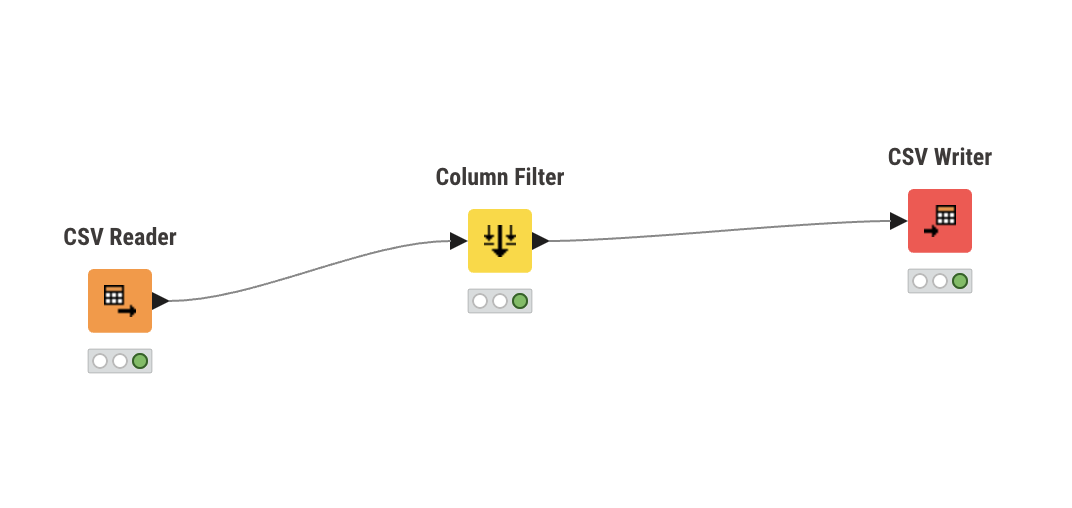
KNIME

KNIME Flow

Vocabulary for AI +002

· 5 min read

Vocabulary & Expressions

Term/ExpressionDefinitionSimpler ParaphraseMeaning
perceiveTo become aware of something through the sensesTo notice or become aware of인식하다
crudeIn a raw or unrefined state; lacking sophisticationBasic or rough; not polished조잡한, 대충만든
flesh outTo add more details or substance to an idea or planTo develop or expand an idea with more information구체화하다, 자세히 설명하다
infraredRelating to electromagnetic radiation with wavelengths longer than visible lightA type of light that is not visible to the human eye, often used in technology적외선의
In practiceIn reality or in actual use, as opposed to theoryHow something works in real life, not just in theory실제로, 실제 사용에서
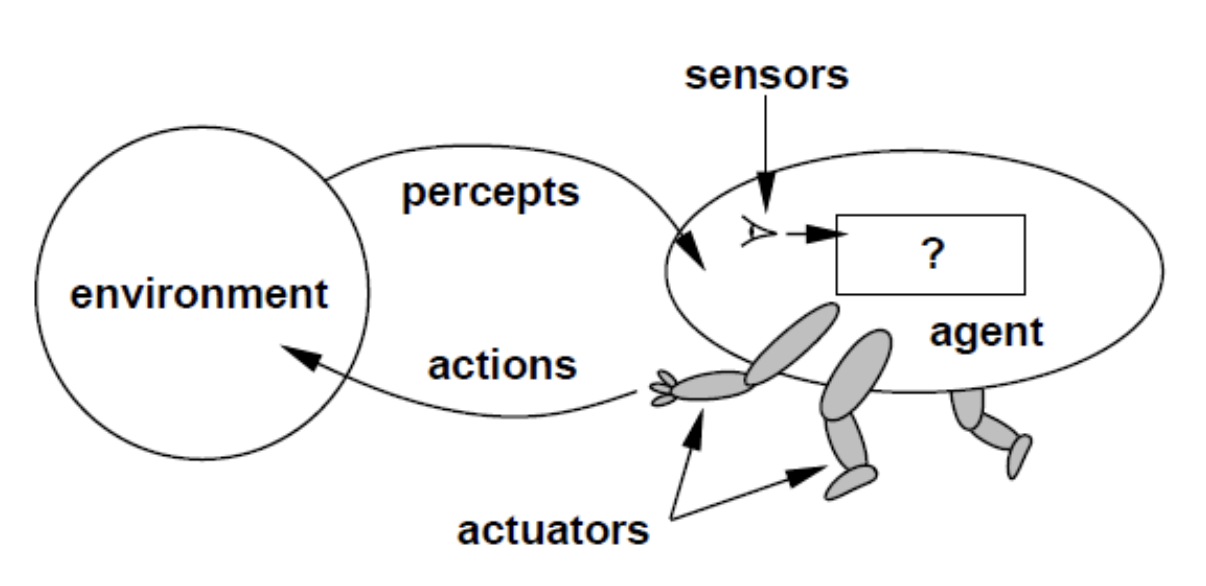
perceptA mental impression or understanding formed by the sensesAn idea or understanding formed by what we see, hear, etc.지각, 인식
percept sequenceThe complete history of everything the agent has ever perceivedThe full record of all the things an agent has noticed or experienced지각 순서, 인식의 연속
tabulateTo arrange data in a table format for easier analysisTo organize information into a table표로 정리하다
artifactAn object made or used by humans, often of historical or cultural interestA human-made object, especially one of historical or cultural significance인공물, 유물
consequentialismAn ethical theory that judges actions by their outcomes or consequencesA moral philosophy that evaluates actions based on their results결과주의
desirabilityThe quality of being desirable or wantedHow much something is wanted or valued바람직함, 선호도
knottyComplex and difficult to solve or understandComplicated and challenging복잡한, 어려운
criterionA standard or principle by which something is judged or decidedA rule or standard used to evaluate something기준, 표준
priorExisting or occurring before something elseSomething that comes before or is earlier in time이전의, 선행하는
oscillateTo move back and forth in a regular rhythm; to vary between two pointsTo swing or fluctuate between two states or values진동하다, 오락가락하다
omniscienceThe state of having complete or unlimited knowledgeThe ability to know everything전지전능, 모든 것을 아는 상태
pantomimeA form of theatrical performance using gestures and body movements without spoken wordsA performance that tells a story through actions and expressions, not speech무언극, 몸짓극
waspA type of stinging insect known for its slender body and aggressive behaviorA flying insect that can sting, often yellow and black말벌
entomologistA scientist who studies insectsAn expert in the study of insects곤충학자
innateExisting naturally or as part of something; not learned or acquiredSomething that is inborn or inherent타고난, 선천적인
To the extentAs far as something is true or applicableTo the degree that something is relevant or valid~의 범위 내에서, ~에 한해서, ~한 정도까지는
reflexAn automatic, involuntary response to a stimulusA quick, instinctive reaction to something반사 작용, 반사 신경
acronymicallyIn a way that uses the first letters of words to form an abbreviationUsing the initial letters of words to create a shorter form약어로, 두문자어로
aspireTo have a strong desire or ambition to achieve somethingTo aim for or seek to achieve a goal열망하다, 갈망하다
disturbanceAn interruption or disruption of normal activity or stateA disturbance is something that disrupts or interrupts방해, 소란
alleyA narrow passageway between buildings or wallsA small street or path, often for pedestrians골목, 좁은 길
speedometerAn instrument that measures the speed of a vehicleA device that shows how fast a vehicle is going속도계
accelerometerAn instrument that measures acceleration or changes in speedA device that detects how quickly something speeds up or slows down가속도계
persistentContinuing firmly or obstinately in a course of action despite difficulty or oppositionContinuing to exist or endure over a long period지속적인, 끈질긴
embodyTo give tangible or visible form to an idea, quality, or feelingTo represent or express something in a physical form구체화하다, 구현하다
explicitlyIn a clear and detailed manner, leaving no room for confusionClearly stated or shown, without ambiguity명확하게, 분명히
dauntingIntimidating or discouraging; causing one to lose confidenceMaking someone feel less confident or more afraid벅찬, 위협적인, 겁먹게 하는

Agents

  • Simple reflex agents
  • Model-based reflex agents
  • Goal-based agents
  • Utility-based agents

호주 집 구하기

· One min read

시리즈

집 구성

구분영어내용
마스터 룸Master room한국 안방, 화장실이 딸려있어 다른 방에 비해 비싼 편이고 보통 2~4명까지 들어감
세컨드 룸Second room한국 작은방, 2~3명 정도 들어감
리빙 룸Living room거실에서 파티션을 치고 생활하는 것, 가격이 저렴하지만 불편함이 많음.
선 룸Sun room베란다, 베란다여서 저렴할 것 같지만 독방으로 생각하는 사람들도 있어 의외로 가격이 비쌈
본드 피Bond fee한국 월세 보증금, 호주는 주당 방비를 내기 때문에 처음 들어갈 때 4주 정도의 본드 피를 내고 나올 때 돌려받음
풀리 퍼니시드Fully furnished풀 옵션(full option), 침대, 책상, 옷장 등의 가구가 갖춰진 방
어드밴스드 렌트Advanced rent방값 선불