TIM 003
· 약 3분

Push & Pull Factors
- Techonology - Push (Supply-side Pushing Innovation)
- Demand - Pull (Demand-side Pulling Innovation)
| Technology Push | Demand Pull |
|---|---|
| Starts with Scientific Breakthrough | Starts with Customer need |
| iPad | Zoom (COVID-19) |
| VR Headset | Selfie Stick |
| Post-it Notes | Tesla Model 3 |
Disruptive Innovation
- Creative Destruction
- a process by which new innovations and technological advancements ("creative")
- desmantle long-standing economic structures, practices, and organizations ("destruction")
- while creating new markets and opportunities
- Disruptive Innovation
- a process where a smaller company successfully challenges estabilished businesses bgy offering simpler, more affordable, or more accessible products or services.
- low-cast, low-performance, alternative, improve over time and displace established playwers
- Innovator's Dilemma
- successful, well-managed companies often fail when disuptive technologies emerge
- even when they do everything "right" according to traditional management principles.
| Sustaining Innovation | Disruptive Innovation |
|---|---|
| Improves existing products | Creates new markets or value |
| Higher margins | Initially lower margins |
| High-end customers | Low-end market segments |
- Sustaining Innovation: Tesla improving battery range
- Disruptive Innovation: Netflix replacing Blockbuster
Attention Economy
- Human attention a scarce resource
- The attention economy is made up of anything trying to capture our limited attention.
Responsible Innovation
-
Innovation can create benefits (growth, efficiency, solutions) but also risks (inequality, pollution, privacy loss).
-
Responsible Innovation is about developing new techonologies, products, or services in a way that is ethically acceptatble, socially desirable, and environmentally sustainable, while actively considering their potential impacts on society.
-
Anticipation: Exploring possible risks, unintended consequences, and long-term effects.
-
Reflexivity: Innovators reflecting on their own values, assumptions, and biases.
-
Inclusion: Engaging stakeholders (citizens, users, regulators, communities), not just engineers or investors shaping outcomes.
-
Responsiveness: Ability to change direction if concerns arise.
| Product questions | Process questions | Purpose questions |
|---|---|---|
| How will the risks and benefits be distributed? | How should standards be drawn up and applied? | Why are researchers doing it? |
| What other impacts can we anticipate? | How should risks and benefits be defined and measured? | Are these motivations transparent and in the public interest? |
| How might these change in the future? | Who is in control? | Who will benefit? |
| What don't we know about? | Who is taking part? | What are they going to gain? |
| What might we never know about? | Who will take responsibility if things go wrong? | What are the alternatives? |
| - | How do we know we are right? | - |
Sustainability
- No poverty
- Zero hunger
- Good health and Well-being
- Quality education
- Gender equality
- Clean water and Sanitation
- Affordable and Clean energy
- Decent work and Econnomic growth
- Industry, Innovation and Infrastructure
- Reduced Inequalities
- Sustainable Cities and Communities
- Responsible consumption and Production
- Climate action
- Life below water
- Life on land
- Peace, Justice, and Strong Institutions
- Partnerships for the goals
Sustainability Dilemma
Externailities
Impacts on third parties
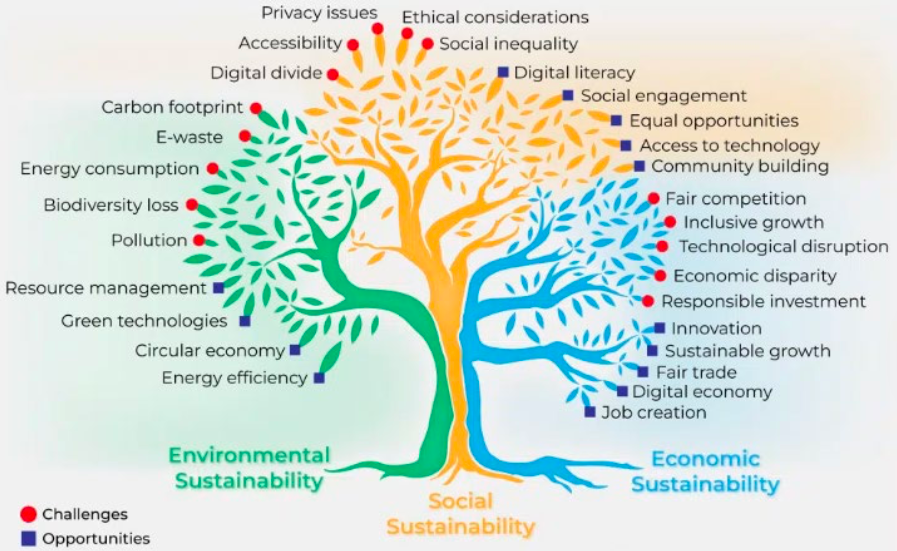
- Ecology / Environmental
- Bio-diversity
- Habitat loss
- Pollution
- Carbon footprint
- Social - human side
- Human trafficking
- Working conditions
- Child labour
- Social cohesion
- Addiction and psychological damages
Internal Perspectives
- Economic - Business sustainability
- Solvency
- Regulations
- Management
- Succession planning
- Disaster management
- Short-term thinking / goals
- Fiduciary obligations to Shareholders